
订阅
加入社区
订阅邮件,第一时间获取最新资讯与更新
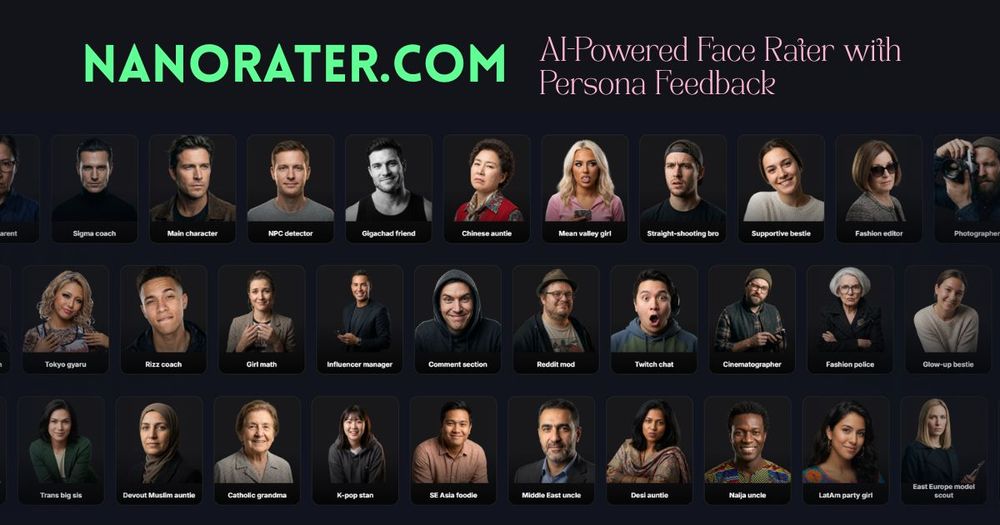
Nanorater is an underated tool for future entreprenuers who wants to start an AI related business but don't know how to start.
When people talk about starting an AI business, the conversation usually jumps to software.
Build a wrapper. Launch a SaaS product. Learn prompt engineering. Automate a workflow. Raise money. Scale.
That path is real. It is also a poor fit for most beginners.
A better starting point for many people, especially non-technical ones, is much smaller and much less glamorous: use AI to sell a simple service to people you already know how to reach.
That might mean a Facebook group. A WhatsApp circle. A student community. A creator network. A local club. A salon. A gym. A church group. A neighborhood business group.
In other words, the real starting asset is often not technical skill. It is distribution.
That is why I think a lot of future AI businesses will not begin as products. They will begin as micro-services: small, clear offers built around specific outcomes, sold to communities that already have trust.
The internet is full of advice for people who want to “build in AI.” Most of it assumes you want to become a founder in the venture-backed sense of the word.
But that is not how most businesses start.
Most businesses start with a basic question: what can I offer people I already understand?
That is where many AI discussions miss the point. They focus on the model, the stack, or the workflow. Customers do not care about any of that. They care about whether you can solve a small problem in a way that feels useful, fast, and worth paying for.
For a non-technical founder, this creates a very practical opening.
You do not need to build a model. You do not need to train anything. You do not need to code an app. You need a tool that creates an understandable result, a market you can access, and a way to package the output into a paid service.
That is the business.
Software is attractive because it looks scalable. The problem is that it usually asks too much of a beginner at once.
You need a product idea, a build process, a user experience, distribution, retention, pricing, and often technical support. That is a lot of moving parts before you have earned your first dollar.
A service business is different.
You can start with:
That is much easier to test.
It also teaches the right lessons early. You learn what people want, what language makes sense to them, what they will pay for, what objections come up, and what kind of output feels valuable. Those lessons matter whether you stay a service business or eventually build software.
In that sense, service is not a detour. It is market research that gets paid.
One reason some AI tools are easier to commercialize than others is that they are already packaged around specific use cases.
That matters.
Beginners usually struggle with blank-slate tools because the output is too open-ended. A tool that can do “anything” often leaves a first-time seller with nothing concrete to offer.
Scenario-based tools are easier to sell because the customer immediately understands what they are for.
Nanorater is a good example of that model. Its tool library is organized around specific image-related outcomes rather than abstract AI capabilities: https://nanorater.com/tools
Some examples:
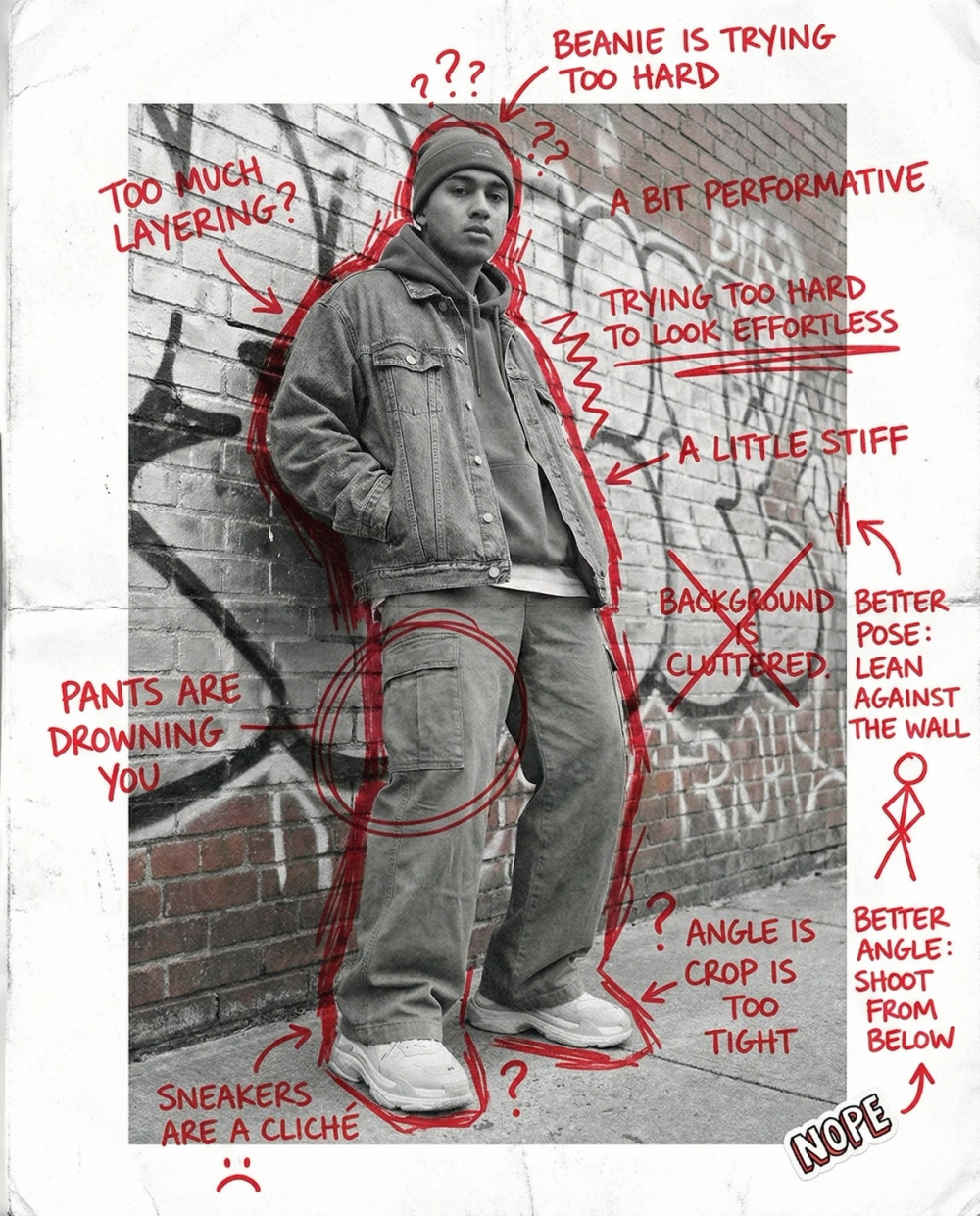
The important thing here is not the branding. It is the structure.
Each tool maps to a question ordinary people already ask:
Those are serviceable questions. They can be packaged, priced, and delivered.
This is the shift many new founders need to make.
People are not paying for “AI analysis.” They are paying for a simpler decision.
That might be:
That is why this model works especially well inside communities.
If you already spend time in a Facebook group for small-business owners, creators, singles, students, parents, or local professionals, you probably already know what kind of image decisions people overthink. Once you see that pattern, the offer almost writes itself.
The mistake is trying to launch too broadly.
A better approach is to start with one offer for one group.
For example:
Audience: students, job seekers, freelancers
Tool: https://nanorater.com/tools/linkedin-headshot-rater
Simple package:
Audience: Facebook users, local business owners, community organizers
Tool: https://nanorater.com/tools/facebook-profile-photo-rater
Simple package:
Audience: singles groups, dating-app users
Tools:
Simple package:
Audience: creator circles, beauty groups, event-driven communities
Tool: https://nanorater.com/tools/outfit-rater
Simple package:
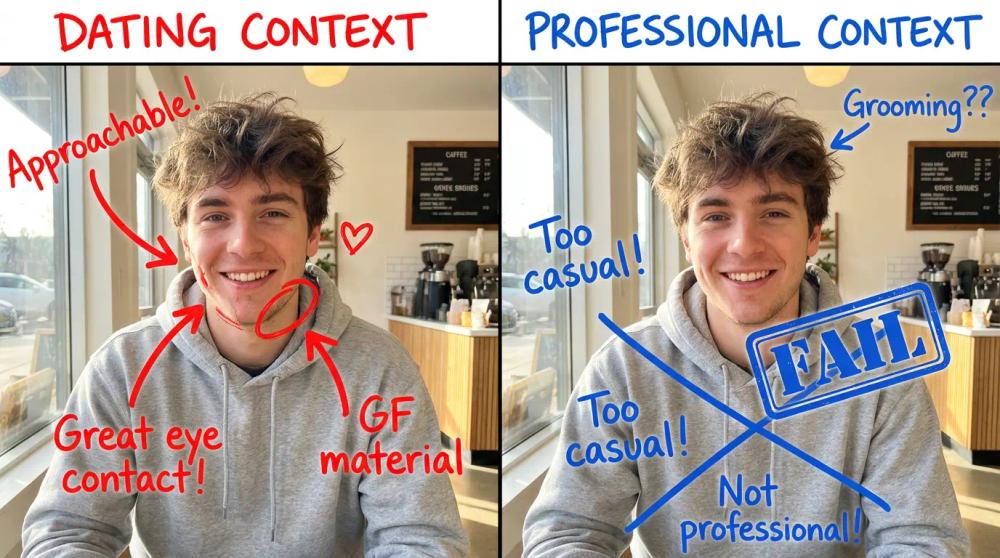
The point is not complexity. The point is reducing uncertainty.
Many internet businesses fail because they start with a pricing model that feels too serious for an unproven offer.
Micro-services work differently.
Low-ticket offers lower friction. They make it easy for someone to say yes. That is useful when you are still figuring out what resonates.
Here is a simple starting framework:
| Offer | Starter price | Delivery time | Revenue from 20 sales |
|---|---|---|---|
| Single rating card | $5 | 5-10 min | $100 |
| 3-photo comparison | $12 | 10-15 min | $240 |
| Dating or profile review pack | $18 | 15-20 min | $360 |
| Fast-turnaround add-on | +$5 | same day | extra margin |
This is not a promise. It is a way to think.
Now the math becomes more concrete:
That last point matters. Growth does not always come from “more customers.” It often comes from packaging.
A customer who pays $5 once is nice. A customer who buys a $12 pack, then adds a $5 rush fee, then refers a friend is the start of a business.
There is already evidence that low-cost personalized image services can sell.
On Xiaohongshu (REDNOTE), for example, it is common to see small visual services offered at impulse-friendly prices. One frequently cited pattern is simple birthday-style image edits sold for around RMB 10 per image. That does not prove a large market. It does show something useful: people will pay small amounts for visual outputs that feel personal, social, and immediately usable.
That is enough to justify a test.
A beginner does not need a market report. A beginner needs a believable reason to try ten sales.
This is where people get sloppy.
If you barge into communities with aggressive marketing, beauty-based insecurity tactics, or exaggerated claims, you will burn trust faster than you build revenue.
A better play is to test quietly.
That tone matters. You are not trying to look like a startup. You are trying to look reliable.
Some of the most commercially interesting use cases are also the most sensitive.
Tools like https://nanorater.com/tools/ai-attractiveness-test and https://nanorater.com/tools/am-i-pretty are likely to attract curiosity. They can also be mishandled very easily.
If you work in any niche related to beauty, attraction, or self-image, keep the offer grounded.
That means:
The safer and better framing is practical:
Trust compounds. Exploitation also compounds. Choose carefully.
The most interesting AI businesses of the next few years may not come from people building foundational technology. They may come from people who understand communities well enough to wrap simple tools in useful services.
That is a different kind of entrepreneurship.
It is less glamorous. It is also more accessible.
If you are non-technical, this is good news. You do not need to wait until you can code, automate, or build a product. You can start by solving a small, human problem with a tool that already exists.
One audience. One offer. One price point. One week of testing.
That is not a startup story. It is a business story.
And for a lot of people, it is the better place to begin.
2026/03/20